Risk.net podcast: OCC’s Fennell on Nasdaq breach, crypto and ‘skin in the game’
Clearing house is “seriously considering” contributing to its own default waterfall
One of the last large clearing houses holding out against contributing to its default fund has had a change of heart.
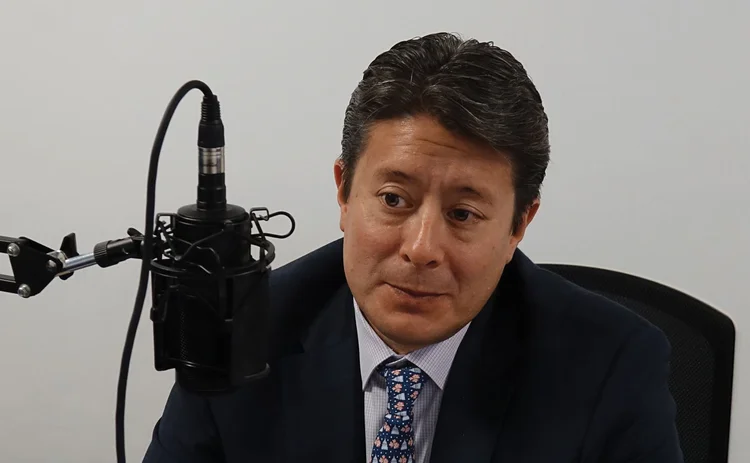
John Fennell, chief risk officer at the Options Clearing Corporation, says the Chicago-based central counterparty (CCP) is “seriously considering” chipping in to its own default fund.
“We do have our own capital up to absorb operational risks, but we are also in the process of considering whether or not there is a sufficient portion of the default pool that the CCP should put up as skin in the game,” says Fennell. “It is something that we are seriously considering.”
In a Risk.net podcast, Fennell, who has been with OCC since 1993, says it is in the early stages of understanding what a properly sized contribution of its own capital into its default fund would look like. Besides the default fund contribution, Fennell also talks about the Nasdaq Commodities default, margin breaches the CCP faced in the beginning of the year and the role clearing houses play in the growing crypto markets.
According to its second-quarter disclosures, OCC’s default fund is $15.4 billion. OCC implemented changes to its default fund methodology last month, which did not include a contribution of its own capital. In speaking to Risk.net at the end of July about the changes, Fennell gave no indication the CCP was contemplating contributing to its clearing fund.
Fennell says no specific event prompted OCC to consider the change. Instead, it was a matter of demonstrating to clients the clearing house takes part in best practices. Rival CCPs, such as CME, Eurex and LCH, all subsidise their default funds.
“I think it has always about trying to make sure that market participants have the top level of confidence in their CCP,” he says. “We are one of the few that do not contribute to skin in the game, and providing that same alignment of incentives just reinforces and makes our framework stronger.”
One important difference between OCC and some of its peers is the fact it is a utility model and not demutualised, like many other clearing houses, Fennell points out. Clearing members sit on OCC’s board and play an important part in setting its risk appetite, he adds.
“Making sure that market participants whose resources are exposed through that mutualised pool need to have a seat at the table,” says Fennell. “I think that is number one, and the strongest point of ensuring that those resources are adequately protected and the risk framework is sufficient. Skin in the game is a supplement to that.”
Fennell says no hard timeline has been set for when OCC would begin contributing to its clearing fund. Understanding how to properly calibrate the amount is the real challenge, he adds.
Currently, OCC is evaluating how other CCPs have gone about sizing their contribution.
“It is still in the early stages,” says Fennell. “We are looking to create our own proposal, and then we will clearly have that outreach for our members.”
Interview by Dan DeFrancesco
Index
2:27 – Liquidity risk
6:13 – Nasdaq default
13:30 – Default auctions
16:25 – Individual direct clearing members
18:15 – Default fund changes
23:23 – Skin in the game
27:20 – Margin breaches
32:00 – CCPs’ role in digital currency
38:27 – Biggest concerns for a clearing house CRO
To hear the full interview, listen in the player above or download here.
コンテンツを印刷またはコピーできるのは、有料の購読契約を結んでいるユーザー、または法人購読契約の一員であるユーザーのみです。
これらのオプションやその他の購読特典を利用するには、info@risk.net にお問い合わせいただくか、こちらの購読オプションをご覧ください: http://subscriptions.risk.net/subscribe
現在、このコンテンツを印刷することはできません。詳しくはinfo@risk.netまでお問い合わせください。
現在、このコンテンツをコピーすることはできません。詳しくはinfo@risk.netまでお問い合わせください。
Copyright インフォプロ・デジタル・リミテッド.無断複写・転載を禁じます。
当社の利用規約、https://www.infopro-digital.com/terms-and-conditions/subscriptions/(ポイント2.4)に記載されているように、印刷は1部のみです。
追加の権利を購入したい場合は、info@risk.netまで電子メールでご連絡ください。
Copyright インフォプロ・デジタル・リミテッド.無断複写・転載を禁じます。
このコンテンツは、当社の記事ツールを使用して共有することができます。当社の利用規約、https://www.infopro-digital.com/terms-and-conditions/subscriptions/(第2.4項)に概説されているように、認定ユーザーは、個人的な使用のために資料のコピーを1部のみ作成することができます。また、2.5項の制限にも従わなければなりません。
追加権利の購入をご希望の場合は、info@risk.netまで電子メールでご連絡ください。
詳細はこちら コメント
AIを正しい軌道に乗せ続けるには、継続的な検証が鍵となる
意思決定ごとの検証を行うことで、ユーザーがAIの判断を信頼できるようになります

AIがリスク管理の業務をうまくこなせるようになったら、どうなるのか?
リスク担当幹部であるアレックス・ゴルビン氏は、エージェント型AIが分析業務をますます担うようになる中、リスク分野で価値あるキャリアを築くにはどうすればよいかと問いかけます

変動の激しいエネルギー市場におけるインフレリスクの再評価
バークレイズのサミー・ベン・アウン氏は、インフレ・スワップのエネルギーショックに対する感応度をモデル化する手法について概説しています
KKR、合併前の届出不備により独占禁止法違反の罰金額で過去最高を記録した
また、メキシコ国債の相場操作スキャンダルでディーラー各社が多額の賠償金を支払うこととなりました。UBSではAMLのチェックが不十分だったことも判明しています。データ提供:ORX News

トークン化:ロンドンの金融市場にとっての単なるでたらめ?
デジタルトランスフォーメーションという文脈でテクノロジーに焦点を当てすぎると、1980年代の「トーラス」の大失敗を繰り返す恐れがあります

米国債の買い戻しは、(担保の)連鎖反応を引き起こす恐れがある
あるエコノミストは、債券の満期構成の再調整により、担保の連動関係が限界まで逼迫する恐れがあると指摘しています

ECBの地政学的ストレステストにはコストが伴う
ある学者は、地政学的リスク事象による損失を補償するための保険料がいくらになるべきかについては、市場だけが判断できるものであり、現時点ではそのような市場は存在しないと主張しています。

ポッドキャスト:アレクサンダー・バルジキン氏によるFXマーケットメイキングのモデリングについて
HSBCのクオンツが、逆選択、価格の読み取り、および内部流動性管理について論じます