
Modelling

As Covid snaps credit models, lenders turn to stress-testing
Banks enlist scenario analysis to bolster creaking default models

Energy Risk Software Rankings: A different world
Energy Risk’s Software Rankings reveal the industry’s technology preferences in a changing world

Covid transparency would soothe markets – Harvey
“Why aren’t our policy-makers sharing their models?” asks Duke University economist

Operational uncertainty – An unavoidable challenge
The transition from Libor to a new risk-free rate has revealed a number of challenges for all financial markets participants – the nature and scope of what lies ahead is vast, impacting businesses, operations and support functions. KPMG‘s global Libor…

Coronavirus rout revives attacks on futures margining
FCMs call for permanently higher margins following “unprecedented” number of breaches

Lighting up the black box: a must for investors?
Many contend you must be able to interpret machine learning in order to use it

At Numerai, real-world figures need not apply
AI hedge fund CEO sees the light in black-box technology

Funds try to predict behaviour of mystery investors
New EU rules on liquidity stress-testing force fund managers to hunt out clues on investors

Oil price shock triggers big margin calls
Banks and exchanges worked through weekend in anticipation of oil collapse

ICAAP/ILAAP – Unlocking business value from capital and liquidity assessment
Regulators consider banks’ internal capital adequacy and assessment process (ICAAP) and internal liquidity adequacy assessment process (ILAAP) important tools in managing risk. The European Central Bank’s (ECB’s) updated guidance – which came into effect…

Caveat pre-emptor: Man ESG chief talks snubbed markets
Robert Furdak is sparking discussions about responsible trend following in unsustainable stocks

Fuzzy data stalls ESG alpha hunt
Quants searching for ESG signals have reached very different conclusions. Mostly they blame the data

CECL models may leave banks ill-prepared for next downturn
Mortgage backtest study shows some loan-loss models miss the mark

Credit risk – The bank data challenge in frontier markets
As the regulatory net tightens, banks working in and across frontier regions are under pressure to source and maintain more accurate data in the assessment of counterparty credit risk, but some are investing in tools to tackle the problem

Risk weight tweak could fix IFRS 9 capital clash – research
Practitioner suggests way to cancel out double-counting of Basel credit loss provisions

Quant funds look to AI to master correlations
Machine learning shows promise in grouping assets better, predicting regime shifts

Dark materials: how one academic is delving into data
David Hand shines a light on dark data and the dangers of distortion by absence

How AI can automate model validation testing and continuous monitoring
As the business environment becomes more complex – and as regulatory scrutiny increases – it has never been more crucial for financial institutions to ensure their models are robust and fit for purpose.

Initial margin – A regulatory bottleneck
With the recent announcement of an extended preparation period for those smaller entities needing to post initial margin under the uncleared margin rules, the new timetable could cause a bottleneck for firms busy repapering derivatives contracts linked…


IM phase five – Smaller on bang, bigger on complexity
The initial margin ‘big bang’ may have been reined in by last-minute relief, but dealers aiming to get hundreds of buy-side firms over the documentation finish line by September 1, 2020 fear a compliance bottleneck


Climate risk-weighting: the devil and the deep blue sea
Should capital charges be calibrated to climate risk? European banks test the waters
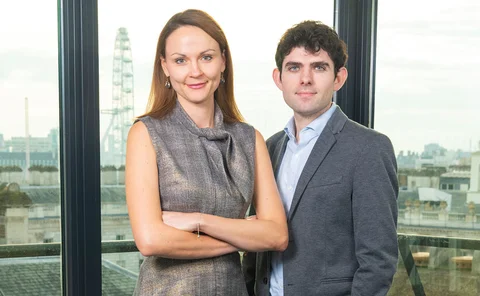
Rising star in quant finance: Blanka Horvath, Aitor Muguruza and Mehdi Tomas
Risk Awards 2020: New machine learning techniques bring ‘rough volatility’ models to life