

A positive response to negative oil prices
Overhauling pricing models could reap rewards even if prices don’t cross zero again

Responding to extreme events is never easy. No one wants to waste resources over-preparing for something that may never occur again. But equally, no one wants to be caught out a second time.
This is the conundrum facing the oil market in the wake of futures prices turning negative – a once-unthinkable phenomenon that caused chaos in April. For options traders and quants an important consideration is whether to continue using the Black-Scholes options pricing model – which cannot accept negative prices – or switch to an alternative model, with all the upheaval and operational risk that would cause. CME and Ice made the decision in April to immediately switch to the Bachelier model for options pricing.
Six weeks later, the collapse of CME crude futures to -$40 a barrel looks more and more like an aberration – the confluence of a series of never-to-be-repeated events. Some quants have already taken the data out of their models, treating them as outliers.
A return to negative prices seems unlikely anytime soon. Oil demand is picking up and production cuts are already eating into the supply overhang. Options traders that stuck with Black-Scholes may see little reason to change now.
But even without negative oil prices, there are good reasons to at least consider the Bachelier model for pricing options. Those familiar with it say the 120-year old model has some advantages over Black-Scholes for pricing certain contracts. For maturities of up to three or four months out, there is evidence that the Bachelier volatility smile fits the oil market better than Black-Scholes.
Even if they do not use it themselves, traders cannot ignore the wider adoption of Bachelier by exchanges and other market participants. While the models are mathematically similar, there are some key differences that must be factored in when pricing and margining contracts. In general, Bachelier assigns higher values to out-of-the-money puts than Black-Scholes, while out-of-the-money calls are priced lower. As prices move closer to zero, the differences between the models become more pronounced.
Another oil price shock cannot be discounted entirely. These are strange times and circumstances can change very quickly. A second wave of Covid-19 is entirely possible and could mean the return of the global lockdowns that caused oil demand to drop so precipitously in the first place.
The US Commodity Futures Trading Commission issued an advisory on May 13 reminding firms they are “expected to prepare for the possibility that certain contracts may continue to experience extreme market volatility, low liquidity and possibly negative pricing”.
Anyone caught out by negative prices a second time is going to have some explaining to do. But reviewing and overhauling pricing models after a market-changing event is more than just a compliance exercise. It’s prudent risk management. And incorporating Bachelier into pricing may have benefits even if negative oil prices turn out to be a one-off.
コンテンツを印刷またはコピーできるのは、有料の購読契約を結んでいるユーザー、または法人購読契約の一員であるユーザーのみです。
これらのオプションやその他の購読特典を利用するには、info@risk.net にお問い合わせいただくか、こちらの購読オプションをご覧ください: http://subscriptions.risk.net/subscribe
現在、このコンテンツを印刷することはできません。詳しくはinfo@risk.netまでお問い合わせください。
現在、このコンテンツをコピーすることはできません。詳しくはinfo@risk.netまでお問い合わせください。
Copyright インフォプロ・デジタル・リミテッド.無断複写・転載を禁じます。
当社の利用規約、https://www.infopro-digital.com/terms-and-conditions/subscriptions/(ポイント2.4)に記載されているように、印刷は1部のみです。
追加の権利を購入したい場合は、info@risk.netまで電子メールでご連絡ください。
Copyright インフォプロ・デジタル・リミテッド.無断複写・転載を禁じます。
このコンテンツは、当社の記事ツールを使用して共有することができます。当社の利用規約、https://www.infopro-digital.com/terms-and-conditions/subscriptions/(第2.4項)に概説されているように、認定ユーザーは、個人的な使用のために資料のコピーを1部のみ作成することができます。また、2.5項の制限にも従わなければなりません。
追加権利の購入をご希望の場合は、info@risk.netまで電子メールでご連絡ください。
詳細はこちら 我々の見解
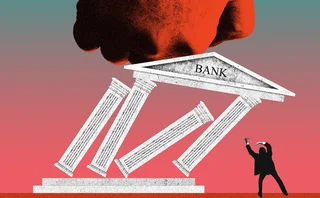
なぜ破綻処理計画を骨抜きにするのは良くないのか
銀行の破綻は避けられないものですが、銀行危機はそうではありません
日本の「大還流」?急速なリパトリは期待できない
GPIFによる米国債から日本国債への切り替えは段階的に行われる見通しであり、これはヘッジファンドにとってさらなる悪材料となる可能性があります

AIエージェントが、信頼できないスタッフのような存在である理由
GenAIシステムに内在する不確実性により、リスク管理担当者はより対立的なアプローチをとらざるを得ません

批判派は、パーペチュアルはすべてフロスだと言っています。しかし、数字はそうではないことを示唆している
TradFiを原資産とする永久先物に対する堅調な未決済建玉は、CMEやEurexといった既存の取引所にとって脅威となる可能性があります

SpaceXがCMEの個別銘柄先物に待望の追い風をもたらした
S&P 500先物契約へのIPO関連の追加契約として、新たな契約が急増する可能性があります
Bank vs non-bank: FX’s two-tier reality
CME and LSEG data show banks provide sticky and broad liquidity, while non-banks cling tightly to the price

規制当局はエンフォースメントを甘くしているのか?(そして、私たちはそれを気にするべきなのか?)
米国の規制当局は、技術的な規則違反に対する罰則を緩和しており、小さくとも重要なリスクが見過ごされてしまうのではないかという懸念が高まっています

FX HedgePoolを超えて:オール・トゥ・オール(All-to-All)の今後はどうなる?
この取引モデルの支持者たちは、その将来性を明るく見ていますが、普及に向けた障壁は依然として残っています。
