
CCAR
WHAT IS THIS? The Comprehensive Capital Analysis and Review (CCAR) is a stress test carried out by the US Federal Reserve. It aims to establish whether the largest banks have enough capital to cope with a severe economic shock, and vets their risk modelling practices. CCAR was initially devised as a stand-alone stress test regime but in 2020 the Fed merged it into the wider DFAST stress test.

Top US banks’ buyback freeze to bolster capital above $30bn
Suspension will save the equivalent of 4% of aggregate CET1

CECL muddies stress tests for US banks
Accounting forecasts differ from Fed’s CCAR scenarios; banks seek middle way to avoid upfront capital hit

The Fed’s stress capital buffer: relaxed but not relaxing
Bankers welcome key methodology improvement, but final rule could still curb dividends
Fed could postpone stress buffer beyond CCAR – experts
Delays prompt speculation that new rules will only be known after stress-test results in June

Fire drills, initial margin issues and Libor replacement
The week on Risk.net, February 1–7, 2020
Fed’s stress tests to gauge banks’ leveraged loan risks
CLOs to suffer “severe corrections” under 2020 scenario

Fed’s rush to complete stress buffer likely to unnerve banks
Quarles wants to include it in 2020 CCAR cycle, making bank capital planning difficult
Competitive differentiation – Reaping the benefits of XVA centralisation
A forum of industry leaders discusses the latest developments in XVA and the strategic, operational and technological challenges of derivatives valuation in today’s environment, including the key considerations for banks looking to move to a standardised…
Mid-cycle stress tests tougher on banks than DFAST
Median CET1 ratio drops 200bp more under mid-cycle than Fed-run tests
BNY, Goldman, HSBC lag in mid-cycle stress tests
Periodic health checks show banks would hurdle regulatory minimums under severe market crisis

Stress-testing: still worth the stress?
There may be more efficient ways to assess if banks are misjudging their risks

Stress-testing to improve strategic decision‑making
Banking regulators remain focused on expanding and developing the range of stress-testing regimes across the globe to maintain stability, monitor emerging risks and avoid another financial crisis. Here, a forum of industry leaders discusses the evolution…
Following Fed changes, Morgan Stanley’s leverage bind to loosen
Bank chief cannot see capital requirements going up when stress capital buffer and new SLR come into effect

In stress-test window-dressing, timing is everything
EBA and Fed stress tests would have to be in perfect sync to stamp out transatlantic arbitrage

How banks game stress tests: the ‘shocking’ truth
Leaked memo exposes effort to swap out risky assets despite Fed’s push to end “window dressing”

Q&A: CFTC’s Behnam on tackling market risk in climate change
Commissioner wants to see new derivatives products to help mitigate climate threat
Post-CCAR share buybacks up 30% for US G-Sibs
Dividend up 18% on average following latest stress test cycle
EU stress tests not as tough as financial crisis
Projected GDP decline for Spain, Ireland and Italy milder than during the credit crunch
Fed stress test AOCI wallop softens in 2019
Fourteen participants see projected capital drain due to unrealised losses drop 63% year-on-year
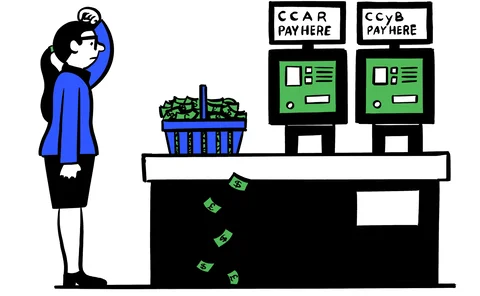
Double jeopardy: CCAR and the countercyclical buffer
Some US regulators want to hike capital while times are good; banks say Fed’s stress test already does
DFAST market shock accounts for a quarter of big bank losses
Trading and counterparty losses hit $88.1 billion for banks subject to global market shock
Banks to Fed: reshape CCAR for peacetime
But Quarles deflates mood: banks using their own models for capital is “not under active consideration”
DFAST: JP Morgan accounts for one-fifth of projected losses
Bulk of losses would come from bank’s loan portfolio, projected to incur total losses of $60.3bn
CCAR: JP Morgan, Capital One adjust planned capital actions
Two banks see stressed capital ratios fall below regulatory minimums at first attempt