Sympathy for the Dimon
A lack of confidence is hobbling bank stocks – and the implications go beyond valuations

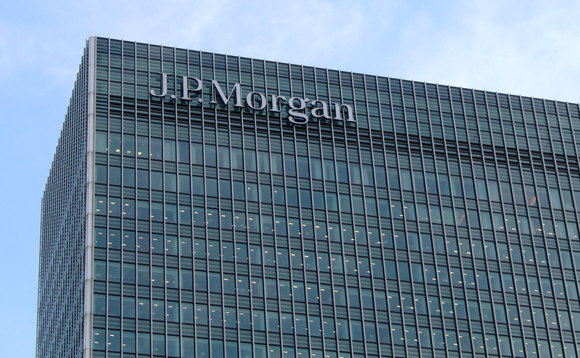
Poor Jamie Dimon. No, wait – hear me out. You have to feel for the guy. A little bit, at least. Over the course of 2015, JP Morgan delivered a 10.3% return on equity (ROE), according to Bloomberg, on the back of a record $24.4 billion in net income. Only UBS and Wells Fargo, among other big European and US banks, managed to post a double-digit ROE.
But as soon as 2016 arrived, the bank's stock started falling. By February 11, it had dropped 19.7% – one of the victims of a sector-wide sell-off that raised concerns about Deutsche Bank's solvency and sparked talk of a new systemic crisis.
There are many ways to explain a falling stock price, of course – particularly for a bank, and particularly during a period of macroeconomic uncertainty. Equity analysts sometimes point at regulation: the new environment, with multiple rules that are still in flight, has "robbed investors of any confidence in these stocks", says one. "I think the volatility has a lot to do with regulatory risk," says another.
At first blush, that feels sort of plausible, but it's worth taking it a bit further. What is it about regulation that might worry investors? It could be that it's harder to forecast future earnings, and without that visibility, valuations will be depressed and share prices more vulnerable to bad news.
Again, if that's the case, you'd need an impossibly cold heart not to feel for Dimon - his bank's ROE has been above 8% for the past six years, and earnings per share have increased steadily since 2008, with a single backward step in 2013. Surely, that deserves a bit more belief? In his letter to shareholders last year, the JP Morgan chief executive said regulatory uncertainty made it "understandable that people would pay less for our earnings than they otherwise might pay."
This isn't just about one bank's cruelly suppressed price/earnings ratio, though. The bigger worry is that fragile stocks, where the upside is capped by a lack of conviction, could end up in a terminal nosedive. Regulators argue this should not be possible - banks are less risky and more robust than at any time in recent history - so the downside should be floored as well. As Keynes had it, though: "Markets can remain irrational longer than you can remain solvent."
Ultimately, all of this probably has more to do with interest rates, inflation and economic growth than it does with the calibration of the leverage ratio, or plans to rein in the use of capital models. But whatever the cause, the lesson is the same: regulators need banks to be both strong and successful, and a world in which they are not receiving recognition for their success – even if only relative success – is a dangerous one.
コンテンツを印刷またはコピーできるのは、有料の購読契約を結んでいるユーザー、または法人購読契約の一員であるユーザーのみです。
これらのオプションやその他の購読特典を利用するには、info@risk.net にお問い合わせいただくか、こちらの購読オプションをご覧ください: http://subscriptions.risk.net/subscribe
現在、このコンテンツを印刷することはできません。詳しくはinfo@risk.netまでお問い合わせください。
現在、このコンテンツをコピーすることはできません。詳しくはinfo@risk.netまでお問い合わせください。
Copyright インフォプロ・デジタル・リミテッド.無断複写・転載を禁じます。
当社の利用規約、https://www.infopro-digital.com/terms-and-conditions/subscriptions/(ポイント2.4)に記載されているように、印刷は1部のみです。
追加の権利を購入したい場合は、info@risk.netまで電子メールでご連絡ください。
Copyright インフォプロ・デジタル・リミテッド.無断複写・転載を禁じます。
このコンテンツは、当社の記事ツールを使用して共有することができます。当社の利用規約、https://www.infopro-digital.com/terms-and-conditions/subscriptions/(第2.4項)に概説されているように、認定ユーザーは、個人的な使用のために資料のコピーを1部のみ作成することができます。また、2.5項の制限にも従わなければなりません。
追加権利の購入をご希望の場合は、info@risk.netまで電子メールでご連絡ください。
詳細はこちら リスク管理
Eurex product co-head departs
Zubin Ramdarshan’s exit comes after exchange CEO Robbert Booij confirms departure

オフ・ザ・グリッド? ディーラー各社がXVAのクラウド移行を検討中
リスク・ベンチマーキング:欧州の銀行の69%は、依然としてコアとなるXVAの計算を主にオンプレミスで行っており、世界のディーラーの75%は

銀行各社は、米国の規制改革を補完するため、AMLデータの更新を求めている
FinCENが提案した抜本的な改革案をめぐり、これが監督体制をより賢明なものにするのか、それとも弱体化させるのかという議論が巻き起こっています。
スイスフラン建てローンの損失は、EUの消費者金融業界にとっての灰色のサイである
mBankのCROであるマレク・ルシュティン氏は、ポーランドの銀行への影響が、法的リスクのモデリングにおける盲点を浮き彫りにし、それがより広範な影響を及ぼしていると述べています。

CROに対し、相互に関連するリスクに対して「独創的な」ストレステストの実施が求められている
Risk Live Asia:AI、サイバーセキュリティ、地政学的な要因により、リスクの種類を問わずショックの波及が加速しています

Trading platforms evolve for a cross-asset market
As trading becomes increasingly cross-asset, platforms are evolving to deliver consistent workflows, connectivity, intelligence and end-to-end execution efficiency

業界は、EUの取引所に対し、株式のポストトレードにおける摩擦の解消をするよう推し進める
ドイツ銀行、ゴールドマン・サックス、JPモルガンが、現物取引のCCP間の相互運用性の義務化を求める声に加わりました

US Treasury clearing: competition, choice and readiness move to the fore
US Treasury clearing mandates and market reforms are reshaping clearing models, risk transfer and market infrastructure ahead of key implementation milestones