Asic takes over regulation of exchange trading
The Australian government has ended self-regulation of the Australian Securities Exchange (ASX), making the Australian Securities and Investments Commission (Asic) responsible for supervising trading on Australian stock markets from the third quarter of 2010.
Asic will take over responsibility from ASX and the independent Disciplinary Tribunal. ASX, however, will keep the authority for the supervision of companies listed on the licensed financial markets.
"Asic is now closer to the market, more accessible, flexible and able to take emerging trends into account more quickly," said Tony D'Aloisio, Asic's chairman, when explaining Asic's suitability for the role.
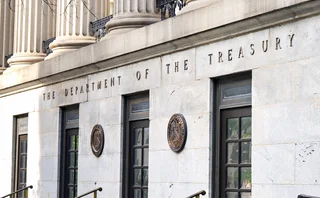
The change will see Asic working with ASX and industry bodies such as the Australian Financial Markets Association and the Securities and Derivatives Industry Association. A more detailed explanation of the execution of this switch will be provided once the legislative framework is in place, the Australian Treasury added.
The new mechanism will put ASX on a more equal regulatory footing with its aspiring rivals. Three companies have applied for licences to trade in the Australian market. The Axe consortium is backed by the New Zealand NZX exchange, Citigroup, Goldman Sachs JB Were, Macquarie and Bank of America Merrill Lynch, along with Australian brokers CommSec. US marketplace Liquidnet and European trading platform Chi-X have also applied.
See also: Australia lifts ban on short selling
Only users who have a paid subscription or are part of a corporate subscription are able to print or copy content.
To access these options, along with all other subscription benefits, please contact info@risk.net or view our subscription options here: http://subscriptions.risk.net/subscribe
You are currently unable to print this content. Please contact info@risk.net to find out more.
You are currently unable to copy this content. Please contact info@risk.net to find out more.
Copyright Infopro Digital Limited. All rights reserved.
As outlined in our terms and conditions, https://www.infopro-digital.com/terms-and-conditions/subscriptions/ (point 2.4), printing is limited to a single copy.
If you would like to purchase additional rights please email info@risk.net
Copyright Infopro Digital Limited. All rights reserved.
You may share this content using our article tools. As outlined in our terms and conditions, https://www.infopro-digital.com/terms-and-conditions/subscriptions/ (clause 2.4), an Authorised User may only make one copy of the materials for their own personal use. You must also comply with the restrictions in clause 2.5.
If you would like to purchase additional rights please email info@risk.net
More on Regulation
Can US perpetual futures solve their identity crisis?
Market could fall under four different regulatory categories, with sharply diverging outcomes

Banks want AML data upgrade to complement US regulatory reform
FinCEN’s proposed overhaul sparks debate on whether it will lead to smarter or weaker supervision
Industry pushes EU exchanges to solve equity post-trade frictions
Deutsche Bank, Goldman Sachs and JP Morgan join calls for mandatory cash CCP interoperability

Regulatory clarity urged for CME’s single-stock futures
SEC short selling and market access rules may hamper clearing and broker participation

Imminent US shake-up of LCR slated to include discount window
Adding Fed liquidity facility to bank regulation may help overcome stigma, raise lending capacity

French regulator wants permanent changes to EU’s output floor
Push for capital relief faces resistance from supervisors in Finland and the Netherlands

Council plans take Aquis, BME out of Esma oversight
German push to exempt Deutsche Börse catches three others, according to sources

Why watering down resolution plans is a bad idea
Bank failures are inevitable; banking crises are not