Fed vs Fed: central bank faces traps of its own making
One of the central bank’s goals, balance sheet normalisation, is about to collide with another: banking system resilience
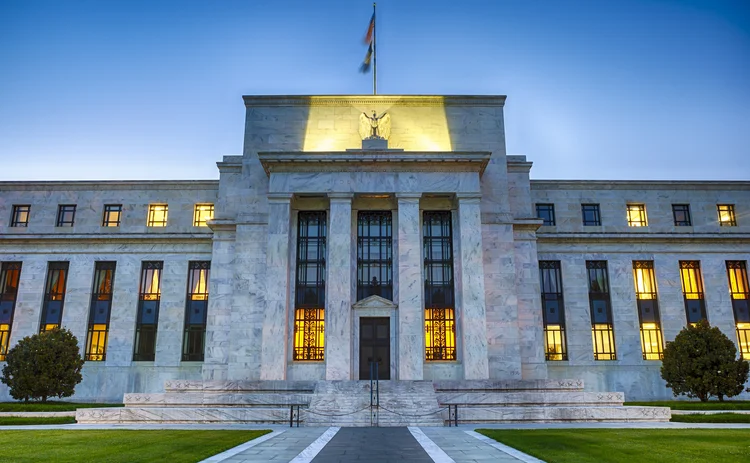

Since 1961, the lead characters of Spy vs Spy have fought a running battle in the pages of Mad magazine. Identical but for the colour of their trenchcoats and hats – one wears black, the other white – their fate is to be locked in perpetual combat with an equally talented twin.
Over the next couple of years, a similar story looks set to play out for the twin arms of the Federal Reserve Board. Just with fewer sticks of dynamite and poisonings.
The Black Fed – which cares about bank supervisory and systemic risk – has spent much of the past decade shaping a global regulatory response to the crisis, in which a key goal has been to make banks more resistant to liquidity risk.
Meanwhile, the White Fed – which cares about the economy and monetary policy – first inflated its balance sheet by purchasing vast amounts of bonds, and is now seeking to disgorge those bonds and return to normal.
The White Fed has to do this while balancing its books. As it winds down the $4.2 trillion of assets in its system open market account portfolio, it will have to reduce its liabilities by a similar amount. And the only fat on the liability side of the central bank’s balance sheet is the excess reserves that have grown in tandem with the Fed’s bond buying.
Those reserves currently stand at $2.1 trillion, having averaged only $45 billion in 2007, so it looks like there is plenty of room to move lower. But, as it drains reserves, the White Fed will have to navigate the fiendish traps set by the Black Fed.
The liquidity coverage ratio (LCR) requires banks to hold large buffers of high-quality liquid assets, which can be tapped at short notice to help a bank through a 30-day stress period. Just under half of the biggest US banks’ LCR assets are held in the form of reserves at the Fed.
As with reserves, the LCR treats US Treasuries as though the bank has cash in its pocket – other, less-liquid assets suffer a haircut when counting them towards the regulatory minimum.
Costs
But there will be costs for banks if they try to rebalance LCR holdings massively towards government bonds. Under the second of the Black Fed’s post-crisis liquidity rules, the net stable funding ratio, banks have to match 5% of their Treasury holdings with long-term funding.
In addition, one-month T-Bills currently yield 10–20 basis points less than the interest paid by the Fed on excess reserves. As interest rates rise in the US, the value of bond portfolios will suffer.
And while the LCR is supposed to cover a month-long stress period, banks have been pushed to monitor and manage intraday liquidity needs more effectively. Central bank reserves are the safest way to meet this need.
So who wins? For the duelling spies, victory was always short-lived. White would win, then black, and so on. The Fed may find itself in a similar position.
Bank treasurers and liquidity managers say post-crisis regulation has reset the industry’s demand for reserves at a new, much higher level. Above this point is some degree of excess that can be drained without too much fuss, but if the Fed tries to push further, it risks destabilising bank funding markets. It can normalise, but normality will not look the way it used to.
コンテンツを印刷またはコピーできるのは、有料の購読契約を結んでいるユーザー、または法人購読契約の一員であるユーザーのみです。
これらのオプションやその他の購読特典を利用するには、info@risk.net にお問い合わせいただくか、こちらの購読オプションをご覧ください: http://subscriptions.risk.net/subscribe
現在、このコンテンツを印刷することはできません。詳しくはinfo@risk.netまでお問い合わせください。
現在、このコンテンツをコピーすることはできません。詳しくはinfo@risk.netまでお問い合わせください。
Copyright インフォプロ・デジタル・リミテッド.無断複写・転載を禁じます。
当社の利用規約、https://www.infopro-digital.com/terms-and-conditions/subscriptions/(ポイント2.4)に記載されているように、印刷は1部のみです。
追加の権利を購入したい場合は、info@risk.netまで電子メールでご連絡ください。
Copyright インフォプロ・デジタル・リミテッド.無断複写・転載を禁じます。
このコンテンツは、当社の記事ツールを使用して共有することができます。当社の利用規約、https://www.infopro-digital.com/terms-and-conditions/subscriptions/(第2.4項)に概説されているように、認定ユーザーは、個人的な使用のために資料のコピーを1部のみ作成することができます。また、2.5項の制限にも従わなければなりません。
追加権利の購入をご希望の場合は、info@risk.netまで電子メールでご連絡ください。
詳細はこちら 規制
PRAは、FRBのFRTBモデリングに関する動きに追随するのに苦戦している
市場リスクの専門家によると、米国の規制における些細な違いが積み重なり、IMAの導入を後押しする要因となっているとのことです。

単一報告の状況にとっての一筋の光は、欧州の希望を維持する
ESMAが取引報告の委任に関する提案を行ったにもかかわらず、業界の要望が叶う可能性はまだあります

EUの競争力強化計画は、大きな立法上のハードルに直面している
大規模かつ物議を醸している一連の法案は、その内容が曖昧すぎるため、迅速な成果を上げられない可能性があります

FDICは、SVBの教訓を再認識し、破綻処理の仕組みを見直している
要件の縮小には賛同する声もある一方で、懸念も残っています
ステーブルコイン・コンソーシアムは、銀行による単独発行に向けた「過渡的な」段階である可能性がある
シティグループの元決済部門責任者であり、Ubyxの創業者である同氏は、すべてのG-Sibsが独自のコインを発行するようになると述べています。

単一報告:ESMAの10億ユーロ規模の改革は、全体像を正確に把握できるのか
批判派は、3つの報告制度を統合する計画は、ほとんど成果が上がらず、一方的な報告とは相容れないだろうと指摘しています。

CFTCは、コンピュータ関連先物取引に関して「ダブルスタンダード」をとっていると非難されている
カルシ社がすでに同様の製品を提供しているにもかかわらず、ダフィー氏はCMEの契約について「長期にわたる見直し」を求めています

欧州の銀行は、アウトプット・フロアの是正策について合意に至っていない
市場リスクを除外すべきだと主張する人もいれば、クレジット・モデリングによるコスト削減をさらに進めるべきだと主張する人もいます