In-depth introduction: Japan
Senior officials at the BoJ and JFSA speak to Risk.net about QE, Basel III and more
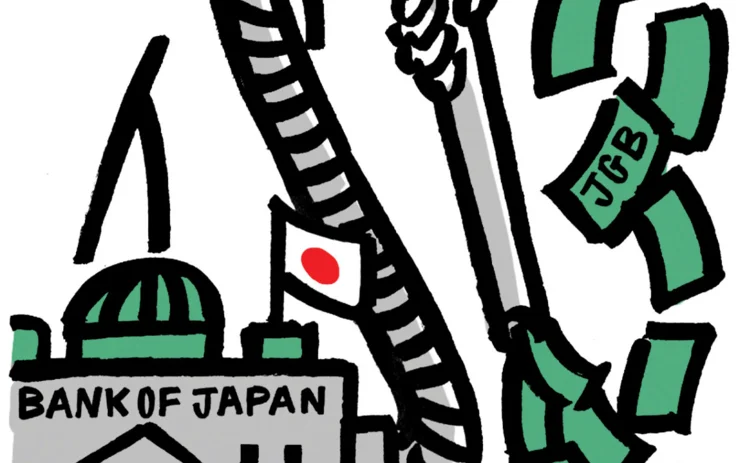

Japan's finance ministry plans to issue new bonds this year worth a total of ¥36.9 trillion ($309.1 billion). The country's central bank, meanwhile, is planning to buy ¥80 trillion of the debt, under its expanded quantitative easing programme. It's a bold attempt to support the economy and help hit a 2% inflation target, but it has some risks – not least that the Japanese government bond (JGB) market might grind to a halt if the Bank of Japan (BoJ) hoovers up all the available supply.
The BoJ's deputy governor, Hiroshi Nakaso, doesn't seem the type to take fright easily. The BoJ will hit its 2% target, he insists, and it will continue buying bonds until it has achieved its goal. That should come in the first half of the 2016 fiscal year, he predicts, oil prices permitting.
Nakaso admits the depth of the JGB futures market has suffered since the central bank expanded its bond-buying programme in October last year – as demonstrated by analysis the BoJ published in August – but not to the extent that quantitative easing will need to be reined in, he says.
Over at Japan's Financial Services Agency (FSA), Shunsuke Shirakawa is a similarly forthright character. The deputy commissioner for international affairs is calling for the Basel Committee on Banking Supervision to help clarify the status of the counter-cyclical capital buffers that members states are obliged to introduce as part of Basel III. Supervisors are free to set these buffers at 0% – as the FSA will, says Shirakawa, while economic growth is still fragile – but banks that are active internationally will be subject to the buffers of every country in which they have exposure, and many have not yet implemented them. Shirakawa wants the relevant information for each state to be published on the Basel Committee's site.
In Europe, things are made more complicated by the fact that some member states of the EU are not members of the Basel Committee and may, or may not, be required to introduce the buffers. Clarification is "urgently needed", Shirakawa says.
The BoJ will hit its 2% target, he insists, and it will continue buying bonds until it has achieved its goal
In addition, he mentions the FSA is considering the possibility of using Japan's deposit insurance system as a backstop for central counterparties – an intriguing idea, but one that would need parliamentary approval – and also lifts the lid on a cross-border dispute with the Commodity Futures Trading Commission.
There are some concerns shared by both men. As Japanese banks expand internationally, they must ensure they have stable funding in currencies that match their new assets, they warn – and both also strike a cautionary note on expanding bank capital requirements. Once the current programme of work is complete, says the BoJ's Nakaso, "we need to ensure the right communication with banks and tell market participants that additional prudential regulations will not be introduced for some time".
コンテンツを印刷またはコピーできるのは、有料の購読契約を結んでいるユーザー、または法人購読契約の一員であるユーザーのみです。
これらのオプションやその他の購読特典を利用するには、info@risk.net にお問い合わせいただくか、こちらの購読オプションをご覧ください: http://subscriptions.risk.net/subscribe
現在、このコンテンツを印刷することはできません。詳しくはinfo@risk.netまでお問い合わせください。
現在、このコンテンツをコピーすることはできません。詳しくはinfo@risk.netまでお問い合わせください。
Copyright インフォプロ・デジタル・リミテッド.無断複写・転載を禁じます。
当社の利用規約、https://www.infopro-digital.com/terms-and-conditions/subscriptions/(ポイント2.4)に記載されているように、印刷は1部のみです。
追加の権利を購入したい場合は、info@risk.netまで電子メールでご連絡ください。
Copyright インフォプロ・デジタル・リミテッド.無断複写・転載を禁じます。
このコンテンツは、当社の記事ツールを使用して共有することができます。当社の利用規約、https://www.infopro-digital.com/terms-and-conditions/subscriptions/(第2.4項)に概説されているように、認定ユーザーは、個人的な使用のために資料のコピーを1部のみ作成することができます。また、2.5項の制限にも従わなければなりません。
追加権利の購入をご希望の場合は、info@risk.netまで電子メールでご連絡ください。
詳細はこちら 規制
単一報告の状況にとっての一筋の光は、欧州の希望を維持する
ESMAが取引報告の委任に関する提案を行ったにもかかわらず、業界の要望が叶う可能性はまだあります

EUの競争力強化計画は、大きな立法上のハードルに直面している
大規模かつ物議を醸している一連の法案は、その内容が曖昧すぎるため、迅速な成果を上げられない可能性があります

FDICは、SVBの教訓を再認識し、破綻処理の仕組みを見直している
要件の縮小には賛同する声もある一方で、懸念も残っています

ステーブルコイン・コンソーシアムは、銀行による単独発行に向けた「過渡的な」段階である可能性がある
シティグループの元決済部門責任者であり、Ubyxの創業者である同氏は、すべてのG-Sibsが独自のコインを発行するようになると述べています。

単一報告:ESMAの10億ユーロ規模の改革は、全体像を正確に把握できるのか
批判派は、3つの報告制度を統合する計画は、ほとんど成果が上がらず、一方的な報告とは相容れないだろうと指摘しています。
CFTCは、コンピュータ関連先物取引に関して「ダブルスタンダード」をとっていると非難されている
カルシ社がすでに同様の製品を提供しているにもかかわらず、ダフィー氏はCMEの契約について「長期にわたる見直し」を求めています

欧州の銀行は、アウトプット・フロアの是正策について合意に至っていない
市場リスクを除外すべきだと主張する人もいれば、クレジット・モデリングによるコスト削減をさらに進めるべきだと主張する人もいます

SECは2027年にCATを吸収合併することを目指している
SEC委員長が市場監視体制の直接的な管理権限を求めており、FINRAの権限を侵そうとしています