

Energy Risk Asia Precious Metals House of the Year: ANZ
ANZ is using its geographical reach and structuring ability to bring together precious metals market participants across Asia
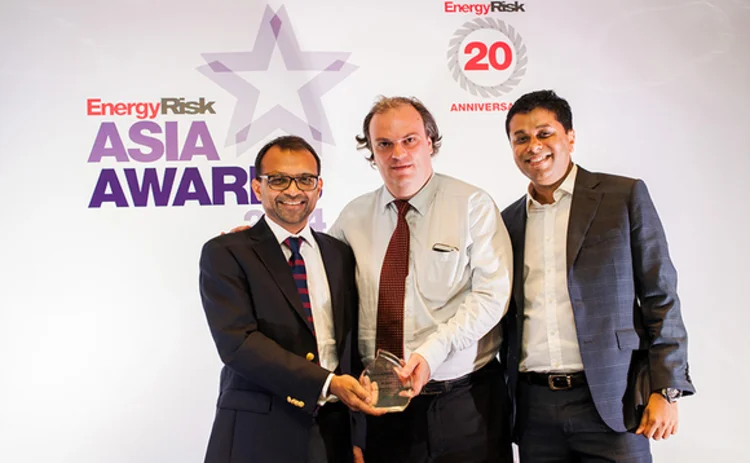
Faced with new regulation and higher capital requirements, major investment banks are being forced to shift their focus away from commodities and back towards core banking business. While most of those banks continue to deal in precious metals, it’s hard to argue their offering hasn’t been dented by such pressure, according to John Levin, Sydney-based global head of precious metals sales at
Only users who have a paid subscription or are part of a corporate subscription are able to print or copy content.
To access these options, along with all other subscription benefits, please contact info@risk.net or view our subscription options here: http://subscriptions.risk.net/subscribe
You are currently unable to print this content. Please contact info@risk.net to find out more.
You are currently unable to copy this content. Please contact info@risk.net to find out more.
Copyright Infopro Digital Limited. All rights reserved.
As outlined in our terms and conditions, https://www.infopro-digital.com/terms-and-conditions/subscriptions/ (point 2.4), printing is limited to a single copy.
If you would like to purchase additional rights please email info@risk.net
Copyright Infopro Digital Limited. All rights reserved.
You may share this content using our article tools. As outlined in our terms and conditions, https://www.infopro-digital.com/terms-and-conditions/subscriptions/ (clause 2.4), an Authorised User may only make one copy of the materials for their own personal use. You must also comply with the restrictions in clause 2.5.
If you would like to purchase additional rights please email info@risk.net
More on Metals
Interview: Can Matthew Chamberlain rescue the LME?
London Metal Exchange CEO identifies problems, awaits contract and fee structure revamp feedback

Base metals dealer of the year: BNP Paribas
French bank expands hedging and finance solutions to mainland China

Asia precious metals house of the year: Citi
Citi builds full-service Asia strategy as others exit market

LME Clear ‘welcomes scrutiny’ of CCP risk management
Oversight from clearing members is good for central counterparties, says LME Clear CEO

Metals house of the year: SG CIB
Barclays and Jefferies Bache deals highlight bank’s commitment to metals

Metals traders shun clearing due to Emir, says LME chief
Emir segregated accounts pushing firms to trade OTC, says Jones

LME eyes Asian growth while dealing with regulation
Garry Jones on China, warehouses, clearing and financial regulation

Precious metals dealers search for better benchmarks
Increasing participation seen as crucial to repairing pricing
