

Articles by Samuel Wilkes
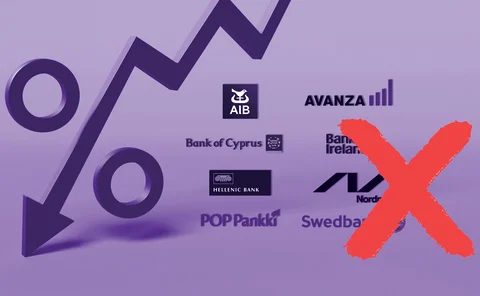
Some European banks still failing net interest income test
Swedbank joins seven other outliers after it updates methodology assumptions

How to solve the Fed’s $300bn FRTB problem
A sacrifice will have to be made to ensure new market risk rules meet demands for capital neutrality

Nomura wins NMRF reprieve from Japan’s FSA
Relief granted due to scarcity of vendors offering pricing data for market risk models

Industry doubts pausing the EU reg machine will offer relief
Market participants are sceptical that a proposal to halt certain rulemaking will reduce compliance costs or boost growth

Will the UK’s FRTB time warp turn into a horror show?
UK regulator’s proposed transition year in 2027 could double banks’ implementation work

European Commission already preparing next FRTB move
As EC runs out powers to delay rules again, proposal for temporary capital relief is on the agenda

Bank of England floats ‘quasi-IMA’ in FRTB standardised method
Dealers welcome new route to capitalising residual risk, but it could fragment global ruleset

For Esma to triumph as supervisor, it must stop being Esma
Europe’s markets watchdog may soon have sweeping new powers, but experts say it will have to shed its reputation as slow, expensive and process-driven if it is to succeed

Industry warns EU not to imitate US equity market rules
Adopting a US-style equity order protection rule will hinder, not bolster EU markets, groups say

Barclays takes selective approach to FRTB IMA applications
Risk Live: UK bank is applying for approval for parts of its portfolio most likely to pass approval tests

Trading venues seen as easiest targets for Esma supervision
Platforms do not pose systemic risks for member states and are already subject to consistent rules

BoE takes subtle leverage snipe at CCP cross-margining
Margin offsets might increase risk, but could also encourage more central clearing