German renewables shift welcomed by energy firms
A push to increase the number of German renewable energy producers that directly market their output has received a positive reception from energy trading firms, which are likely to benefit from the changes
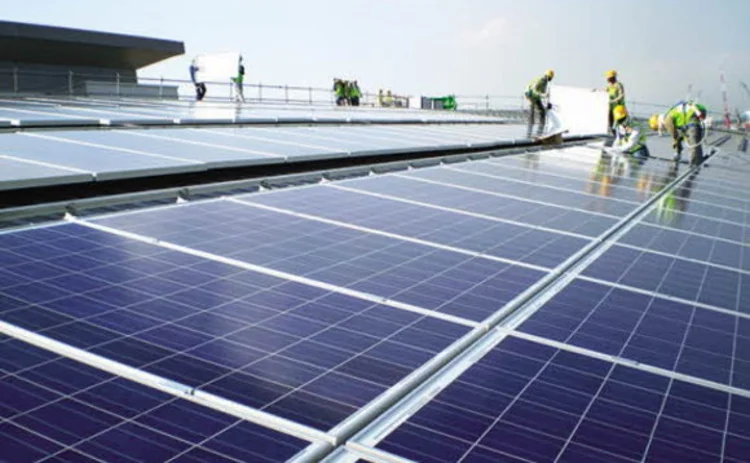
Energy trading firms are welcoming a recent change to Germany’s renewable energy legislation that will require the owners of all but the smallest renewable generation facilities to take responsibility for directly marketing their electricity.
The amendments to the German Renewable Energy Sources Act – also known as the EEG – came into effect on August 1. An increase in the number of renewable
Only users who have a paid subscription or are part of a corporate subscription are able to print or copy content.
To access these options, along with all other subscription benefits, please contact info@risk.net or view our subscription options here: http://subscriptions.risk.net/subscribe
You are currently unable to print this content. Please contact info@risk.net to find out more.
You are currently unable to copy this content. Please contact info@risk.net to find out more.
Copyright Infopro Digital Limited. All rights reserved.
As outlined in our terms and conditions, https://www.infopro-digital.com/terms-and-conditions/subscriptions/ (point 2.4), printing is limited to a single copy.
If you would like to purchase additional rights please email info@risk.net
Copyright Infopro Digital Limited. All rights reserved.
You may share this content using our article tools. As outlined in our terms and conditions, https://www.infopro-digital.com/terms-and-conditions/subscriptions/ (clause 2.4), an Authorised User may only make one copy of the materials for their own personal use. You must also comply with the restrictions in clause 2.5.
If you would like to purchase additional rights please email info@risk.net
More on Energy
ETRM systems 2024: market update and vendor landscape
This Chartis report evaluates energy trading and risk management systems that provide front-to-back, asset class-specific and geography-specific coverage, and considers the full energy trade lifecycle

CTRM systems 2024: market update and vendor landscape
A Chartis report on commodity trading and risk management systems that considers its different applications and addresses the market and vendor dynamics to determine the long-term and structural impacts of the overarching market evolution on the…

Energy Risk Commodity Rankings 2024: markets buffeted by geopolitics and economic woes
Winners of the 2024 Commodity Rankings steeled clients to navigate competing forces

Chartis Energy50
The latest iteration of Chartis’ Energy50 ranking

Energy trade surveillance solutions 2023: market and vendor landscape
The market for energy trading surveillance solutions, though small, is expanding as specialist vendors emerge, catering to diverse geographies and market specifics. These vendors, which originate from various sectors, contribute further to the market’s…

Achieving net zero with carbon offsets: best practices and what to avoid
A survey by Risk.net and ION Commodities found that firms are wary of using carbon offsets in their net-zero strategies. While this is understandable, given the reputational risk of many offset projects, it is likely to be extremely difficult and more…

Chartis Energy50 2023
The latest iteration of Chartis' Energy50 2023 ranking and report considers the key issues in today’s energy space, and assesses the vendors operating within it

ION Commodities: spotlight on risk management trends
Energy Risk Software Rankings and awards winner’s interview: ION Commodities