FSA facing compensation claim
The UK regulator is facing claims it failed to halt activities of a suspected rogue trader
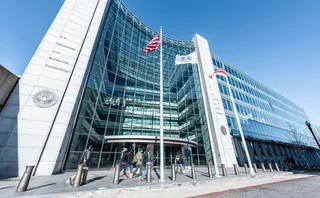
LONDON - The UK Financial Services Authority (FSA) is facing a multimillion-pound compensation claim from a group of investors who allege the regulator allowed GFX Capital Markets to continue trading even though they had serious concerns about its head Terry Freeman, according to reports in The Times.
GFX Capital Markets collapsed with losses around £44 million late last year, with more than 800 investors losing money. Even though Freeman blamed administrative problems, sources suggest there are elements of a Ponzi scheme - paying high returns with money from other clients' capital.
Disgruntled investors are claiming that the FSA was suspicious of Freeman yet failed to act until it was too late. According to the report in the The Times, FSA officials had gathered intelligence on Freeman, a foreign exchange trader, for more than two years, and knew he had changed his name from Terence Sparks after being disqualified as a director until 2012 in response to a conviction in March 1997.
However, Freeman set up GFX in 2004. Several reports are alleged to have been made to the FSA concerning issues surrounding Freeman's business practices between 2004 and 2007. In a letter to the FSA, BSG Solicitors, representing the investors, state: "The FSA was in a unique position, and had various opportunities, to bring Mr Freeman's dealings to a halt and thus significantly reduce the financial decline that my clients' investments were subjected to."
Freeman, who is on police bail, protests his innocence. The FSA refused to comment on an ongoing criminal inquiry.
Only users who have a paid subscription or are part of a corporate subscription are able to print or copy content.
To access these options, along with all other subscription benefits, please contact info@risk.net or view our subscription options here: http://subscriptions.risk.net/subscribe
You are currently unable to print this content. Please contact info@risk.net to find out more.
You are currently unable to copy this content. Please contact info@risk.net to find out more.
Copyright Infopro Digital Limited. All rights reserved.
As outlined in our terms and conditions, https://www.infopro-digital.com/terms-and-conditions/subscriptions/ (point 2.4), printing is limited to a single copy.
If you would like to purchase additional rights please email info@risk.net
Copyright Infopro Digital Limited. All rights reserved.
You may share this content using our article tools. As outlined in our terms and conditions, https://www.infopro-digital.com/terms-and-conditions/subscriptions/ (clause 2.4), an Authorised User may only make one copy of the materials for their own personal use. You must also comply with the restrictions in clause 2.5.
If you would like to purchase additional rights please email info@risk.net
More on Regulation
French regulator wants permanent changes to EU’s output floor
Push for capital relief faces resistance from supervisors in Finland and the Netherlands

Council plans take Aquis, BME out of Esma oversight
German push to exempt Deutsche Börse catches three others, according to sources

Why watering down resolution plans is a bad idea
Bank failures are inevitable; banking crises are not

BIS’s Hernández de Cos on AI, non-bank risk and tokenisation
General manager talks about how the BIS is navigating a complex global environment

‘European SEC’ no silver bullet for growth
EU policymakers hope a single, centralised supervisor will help rev up Europe’s economy but critics are mustering

Permanent FRTB reforms seen as vital for IMA adoption
Temporary relief granted in June has done little to encourage internal model use in Europe

How to ensure the next Credit Suisse or SVB fails ‘well’
Regulators are planning changes to resolution rules after criticism that living wills were ignored in previous bank collapses

Asian firms waiting on exemptions from UST clearing mandate
Hoping for relief on extraterritoriality, 51% of Apac firms have yet to start compliance programmes