Analysts upbeat on outlook for Saudi Aramco’s new trading unit
Saudi Aramco’s new trading unit, Aramco Trading, could become a serious competitor in the refined product space and boost volumes at the Dubai Mercantile Exchange, say analysts
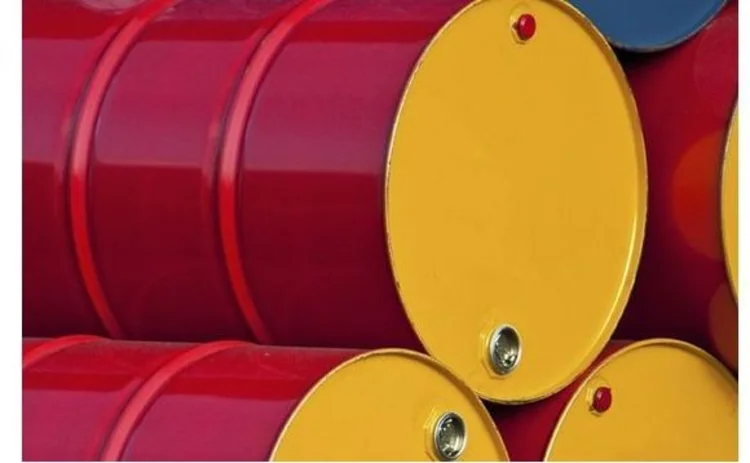
In a shift of direction for the state oil giant, Saudi Aramco launched its new trading unit this month, introducing what analysts believe could become a major player in the refined-products markets.
The wholly owned subsidiary, Aramco Trading, commenced operations in Dhahran on January 1 with a team of 80 employees, the Saudi state oil giant said in a statement. Leveraging Saudi Aramco's growing portfolio of downstream assets, the new unit will buy and sell condensates, naphtha, gasoline, middle distillate fuels, fuel oil and residuals as well as bulk petrochemical products.
Aramco first announced that it would launch the trading unit in February 2011. It has described the goal of the subsidiary as "system balancing" and maximising the value of the Aramco refinery network. "Our company continues to be responsive and committed to balancing its system and create value through continuous market participation," Said Al-Hadrami, president and chief executive of Aramco Trading, said in the statement.
The launch of Aramco Trading comes at a time when its parent company – which boasts the world's largest proven reserves and biggest daily oil production – has been steadily expanding its downstream footprint. Earlier this month, Saudi Aramco signed a $10 billion refinery deal with China's Sinopec Group and its chief executive, Khalid al-Falih, said that the company's total global refining capacity would rise to 8 million barrels per day over the next decade. That would be more than 10% of current world refining capacity, according to the BP Statistical Review of World Energy.
Aramco Trading may eventually become a serious competitor with established traders such as Trafigura or Vitol, believes oil analyst Stephen Schork, editor of The Schork Report. "Certainly they have the financial wherewithal," he says. "They have the potential to compete in the global market." The launch of Aramco Trading could also boost volumes at the Dubai Mercantile Exchange, he adds.
Sadad Al-Husseini, a former vice-president of Saudi Aramco, predicts that Aramco Trading will eventually become a significant presence in the refined-products markets. "Given the sheer volume of its operations, this will be an inevitable outcome to Saudi Aramco's entry into the trading arena," says Al-Husseini, who now heads Husseini Energy, an oil and gas consultancy.
Moreover, other Organization of the Petroleum Exporting Countries (Opec) members could follow suit, establishing trading arms under the auspices of their national oil companies (NOCs), he adds. "Several Opec countries have made major investments in both their refinery capacities as well as gas-based products including LNGs and LPGs," Al-Husseini says. "As their national organisations gain more experience and confidence in their capabilities, they will definitely seek entry into the trading arena. This, however, need not be a competitive challenge and may in fact evolve into an improved alignment of interests among the NOCs and existing products traders."
Only users who have a paid subscription or are part of a corporate subscription are able to print or copy content.
To access these options, along with all other subscription benefits, please contact info@risk.net or view our subscription options here: http://subscriptions.risk.net/subscribe
You are currently unable to print this content. Please contact info@risk.net to find out more.
You are currently unable to copy this content. Please contact info@risk.net to find out more.
Copyright Infopro Digital Limited. All rights reserved.
As outlined in our terms and conditions, https://www.infopro-digital.com/terms-and-conditions/subscriptions/ (point 2.4), printing is limited to a single copy.
If you would like to purchase additional rights please email info@risk.net
Copyright Infopro Digital Limited. All rights reserved.
You may share this content using our article tools. As outlined in our terms and conditions, https://www.infopro-digital.com/terms-and-conditions/subscriptions/ (clause 2.4), an Authorised User may only make one copy of the materials for their own personal use. You must also comply with the restrictions in clause 2.5.
If you would like to purchase additional rights please email info@risk.net
More on Energy
ETRM systems 2024: market update and vendor landscape
This Chartis report evaluates energy trading and risk management systems that provide front-to-back, asset class-specific and geography-specific coverage, and considers the full energy trade lifecycle
CTRM systems 2024: market update and vendor landscape
A Chartis report on commodity trading and risk management systems that considers its different applications and addresses the market and vendor dynamics to determine the long-term and structural impacts of the overarching market evolution on the…

Energy Risk Commodity Rankings 2024: markets buffeted by geopolitics and economic woes
Winners of the 2024 Commodity Rankings steeled clients to navigate competing forces

Chartis Energy50
The latest iteration of Chartis’ Energy50 ranking

Energy trade surveillance solutions 2023: market and vendor landscape
The market for energy trading surveillance solutions, though small, is expanding as specialist vendors emerge, catering to diverse geographies and market specifics. These vendors, which originate from various sectors, contribute further to the market’s…

Achieving net zero with carbon offsets: best practices and what to avoid
A survey by Risk.net and ION Commodities found that firms are wary of using carbon offsets in their net-zero strategies. While this is understandable, given the reputational risk of many offset projects, it is likely to be extremely difficult and more…

Chartis Energy50 2023
The latest iteration of Chartis' Energy50 2023 ranking and report considers the key issues in today’s energy space, and assesses the vendors operating within it

ION Commodities: spotlight on risk management trends
Energy Risk Software Rankings and awards winner’s interview: ION Commodities